

Exclusive Interview With Moumita Ahmed
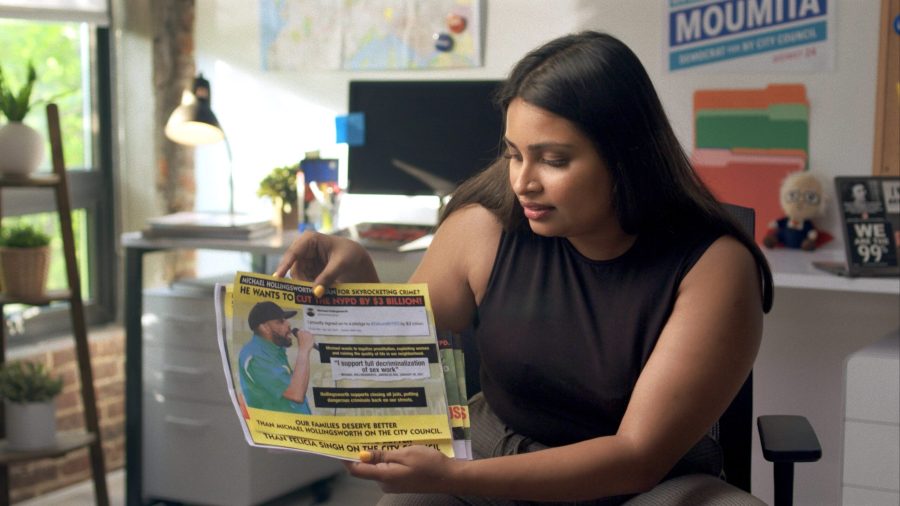
Image Via Slumlord Millionaire
In the midst of her 2021 campaign for New York City Council, Bangladeshi American politician Moumita Ahmed was outreached on X (formerly known as Twitter) by directors Steph Ching and Ellen Martinez about being a part of their evocative documentary Slumlord Millionaire.
The film centers around four central stories, including Ahmed’s, which chronicles the systematic oppression within the New York City housing system and the endless fight advocates initiate to combat this persistent issue. The film discusses the intersectionality of racism and classism and how gentrification is threatening local communities in a city heavily populated by working-class people.
Politics is an integral part of the housing conversation. In a city like New York, residents must be especially aware of how their voting and support impact access to secure housing. Much of Slumlord Millionaire details the power imbalance between those in positions of authority and those who are subject to horrific conditions due to a lack of protection.
Ching and Martinez specifically got in touch with Ahmed to elucidate how housing inequality exists in the divisive political climate. Her concentration is on creating change within the housing landscape and securing sustainable housing for residents across New York City. The pushback from fellow candidates and smear attack ads against her are nothing short of angering, and a crucial part of the film’s central message.
“Housing justice isn’t only about having, you know, a house or shelter. It’s about dignity.” Ahmed told Pop Culture Madness. Throughout the election cycle, Ahmed ran on a number of issues but used motivation from her own life as a means to fuel her unrelenting fight. “As an immigrant child, growing up housing insecure, [I knew] this is what a lot of our voters and community members identified with.”
The documentary follows Ahmed’s campaign through its entirety, which resulted in her loss to James Gennaro. This is a disheartening moment in the film, but it reminds audiences that the battle for more adequate housing is continuous, and perseverance is necessary for successful change.
Ching commented on how Ahmed’s campaign attracted both her and Martinez’s attention for the film. The targeted ads against her spoke about the deeper issue of how New York City billionaires are threatened by a shift of economic power. “Certain laws exist the way they do. It’s because who are the people who are in control? It’s the people who are benefiting from this system,” Ching said.
Ahmed specifically pointed out how Slumlord Millionaire created a clear pipeline between money and influence and how that affects underprivileged communities in the larger conversation surrounding housing. “[Ching and Martinez] were able to show, in a very simple way, how money from real estate billionaires directly impacts our ability as workers, working-class people to acquire housing or have housing for our children.”
Ahmed made a point to discuss how she was compelled to run for office because of these issues and how a collective organizing of movements and everyday people is the key to initiating a more positive shift in the housing system. By consistently mobilizing and speaking out against housing injustice, whether locally or within the political sphere, everyone suffering at the hands of predatory landlords and corrupt real estate agents can foster a voice.
In addition to her campaign, Ahmed and the film highlighted that so many others who ran for local positions with similar ideals faced backlash from developers and other figureheads who sought to minimize the impact of their call for change. “It doesn’t have to be me if it were anyone else running for that position and [taking] on the challenges of housing like I did, they would have been attacked by real estate developers,” Ahmed said.
The film taking place in New York City is also a crucial piece of its execution, as it shows how a city that’s so expensive to live in really affects the people who live there. A moment in the film shares TikTok videos of $10,000+ apartments in a large, luxury building before pivoting back to the central story of the organizations that are actively fighting against the building of these structures, as they displace people and disrupt the lives of families who’ve lived in the city for generations.
By presenting this information and the harsh reality of what so many go through in their daily lives, the film instills intense emotions within audiences. Compelling educational storytelling undoubtedly ignites passion, making Slumlord Millionaire a necessary watch even when portraying moments of great hardship.
In the persisting battle of housing justice, one can easily feel overwhelmed by all that needs to be accomplished. Ahmed herself pointed out that she couldn’t believe her journey was included in the film, “I didn’t go into this campaign thinking my story would become a story that’s worth telling in a documentary about housing, but that’s what they did such a good job of is taking very a complex story and being able to tell everybody in that this is how money impacts your ability to get housing.”
It’s especially important to remember, however, that perpetual efforts are being made to work towards a better future. Capability is ubiquitous, and as long as rents continue to rise and the wealthy continue to neglect the culture and community within the city, there will be a vocal response from those who understand the severity of the situation.
“The goal is for people to understand that we should be comfortable talking about our housing insecurities and that it’s okay to talk about it, because a lot of people are going through it,” Ahmed said. It is estimated that almost 3 million New Yorkers out of 8.3 million face housing insecurity, according to the Office of the New York State Comptroller.
Now more than ever, listening, understanding, and empathy are needed from communities to come together and harness their collective abilities to challenge the system that has worked against them for so long. ”We do have power if we use it,” Ching said, perfectly encapsulating the theme of Slumlord Millionaire, that there is power in unity, and even feats that seem impossible can be conquered when working together.
Slumlord Millionaire premieres on the PBS series VOCES on Monday, July 28, on PBS, PBS.org, the PBS app, and will be available to rent or buy on Prime Video, Apple TV, and Xfinity Comcast on Tuesday, July 29.