
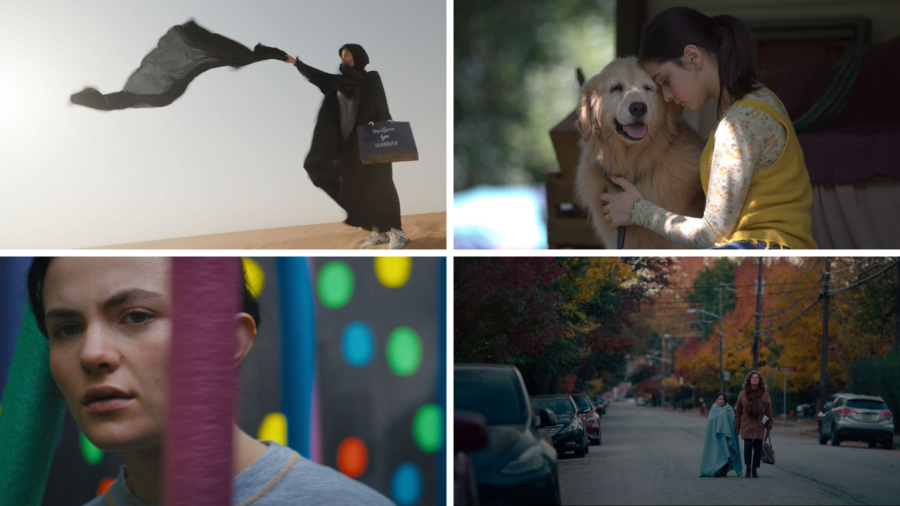
An Exclusive Retrospective of the 2026 Edition of the Tribeca Film Festival
In 2001, after the tragic terrorist attacks on September 11, Robert De Niro, Jane Rosenthal, and Craig Hatkoff founded the Tribeca Film Festival as a way of preserving the artistic and cultural heart of New York City. Now, at the Festival’s 25th anniversary, the diverse selection of films continues to elucidate that message.
Ranging from a variety of shorts, features, TV, and more, this year’s Tribeca program is eclectic as usual, but many works are focusing on an integral part of the human experience: memory. It seems the modern film industry is at yet another precipice. With the rise of AI and generative content, many creators, whether veterans or just breaking into the scene, are concerned about the future of the medium.
Aside from film, the current economic and political climate has been at the forefront of stressors looming in Americans’ minds, creators or otherwise. So what better way to analyze where everything is going than to reflect on where it has been?
The revolutionary festival has always valued complex stories, told from myriad perspectives. Each of these films, whether complete works of fiction or with a basis in reality, has dissected various aspects of human life and how the perpetual evolution of culture provides a new layer to be considered.
This year is no different, with several films telling stories of grief, mystery, and love, all with a noticeable common thread surrounding the memories and experiences that weave the tapestry of individuality.
The directorial debut of actor and comedian Zach Woods, The Accompanist, chronicles the connection between a girl who’s been taken into foster care due to her grandfather’s dementia diagnosis and an older woman mourning the loss of her ballerina daughter.
In the film, the young central character Emily must adjust to a world where what she has known is stripped away and where her new guardian Sylvia must allow a new love to exist alongside her grief. The performances from and chemistry between Everly Carganilla and Susan Sarandon are enchantingly heartbreaking as the two learn to navigate each other’s eccentricities and overcome the tragedies life has bestowed upon them.
Renowned actress Katie Holmes delivers a spectacularly written and directed feature, Happy Hours, detailing the relationship between a photographer and writer who retrace the lost love they first fostered when they were teenagers.
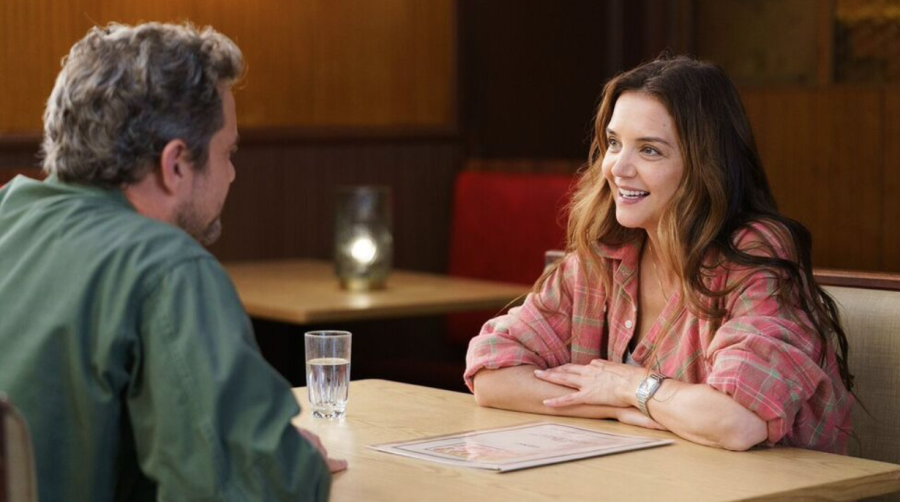
Katie Holmes and Joshua Jackson in Happy Hours
The film combines classic elements of the romance genre with deeply touching moments of drama that will undoubtedly stir audiences’ emotions. The contrast between young love and how it is experienced decades later is heartwrenching to witness.
As the story between the two main characters, Liz and Andrew, unravels, audiences are painted an unflinching, picturesque portrayal of the relationships that affect one so deeply, even years after they’ve dissipated.
Writer, actress, and director Erika Burke Rossa similarly explores memory and morality in her debut feature, Rain Reign, a touching story about a neurodivergent preteen and the relationships that guide her into becoming the best version of herself.
Audiences feel the protagonist Rose’s isolation and are warmed by how it does not hinder her spirit as she is driven to do what’s right. Her perception of the world is brilliantly contrasted with that of her downtrodden single father and her uplifting uncle, beautifully portrayed by Paul Rudd.
His performance serves as a reminder of the comedian’s impeccable ability to ground himself in a more compassionate character, aside from his more well-known action-adventure and comedic roles. Jeremy Sisto also does an excellent job as Rose’s father, who has trouble providing amidst intense hardship and struggles to express love, even though it’s evidently present.
Brooklyn-based independent filmmaker Lindsay Calleran traverses the volatile trails of family and addiction in her outstanding debut feature film, Caity. The implementation of camcorder footage, chronicling the heart-wrenching relationship between Caity and her father, Paul, immediately establishes how integral the influence of memory is to the film.
Calleran and main actress, Chiara Aurelia, aren’t interested in portraying Caity as flawless, which is one of the most compelling components of her character. Through the painful and conflicted emotions stemming from the condition of her father, Caity undergoes her own journey, experimenting with sex, drugs, and alcohol with coworkers of hers.
Though these behaviors are typical of teenagers, it’s especially crucial for Caity, and shows how memory, whether it’s being actively engaged or repressed, is always present in one’s decision-making. The film beautifully dissects the multifaceted nature of these prominent teenage compulsions, representing the highs and lows of youth and contrasting them with adulthood.
Award-winning writer-director Haifaa Al Mansour tackles another critical aspect of memory and how it can serve as a motivator for actions beyond one’s projected capabilities. In her crime thriller, Unidentified, audiences follow a young woman named Noelle who desires to step outside the confines of her archivist position at her local police station and help solve a troubling case.
Through her unwavering conviction and investigative skills that she’s gained from consuming true-crime content online, Noelle continuously advocates for herself and steps into dangerous territory, trying to piece together what happened to a teenage girl whose body was found in the desert.
Multiple moments in the film are emotionally impactful and sets the stage for a shocking discovery towards the end, illustrating that all memories and experiences paint an intricate picture of who someone is. The film undoubtedly inspires conversation and provides a unique perspective on the societal pressures of women.
Through multiple genres, from romance to drama to crime-thriller, the 2026 Tribeca Film Festival weaves the resonant theme of memory through its program. It exists as an especially relevant reflection as the festival has adapted and changed with the evergreen bustle of New York City, 25 years since its creation.
Programs in the past have similarly featured an underlying theme found in many of the festival’s selections, with the presence of love, community, and family all being prominent. Memory, however, feels particularly appropriate as the deeper meanings of many of these films suggest that memory is a guiding force in shaping the future.
The cultural significance of the entertainment industry is as everlasting as the perpetual motion of the Earth, and though the ways films and TV are made may change, like it has so many times before, the influence of the human experience will remain a constant. Tribeca, recognizing this, is one of the many reasons why the festival has remained a staple in its community and will continue to foster creativity from numerous new storytellers.